
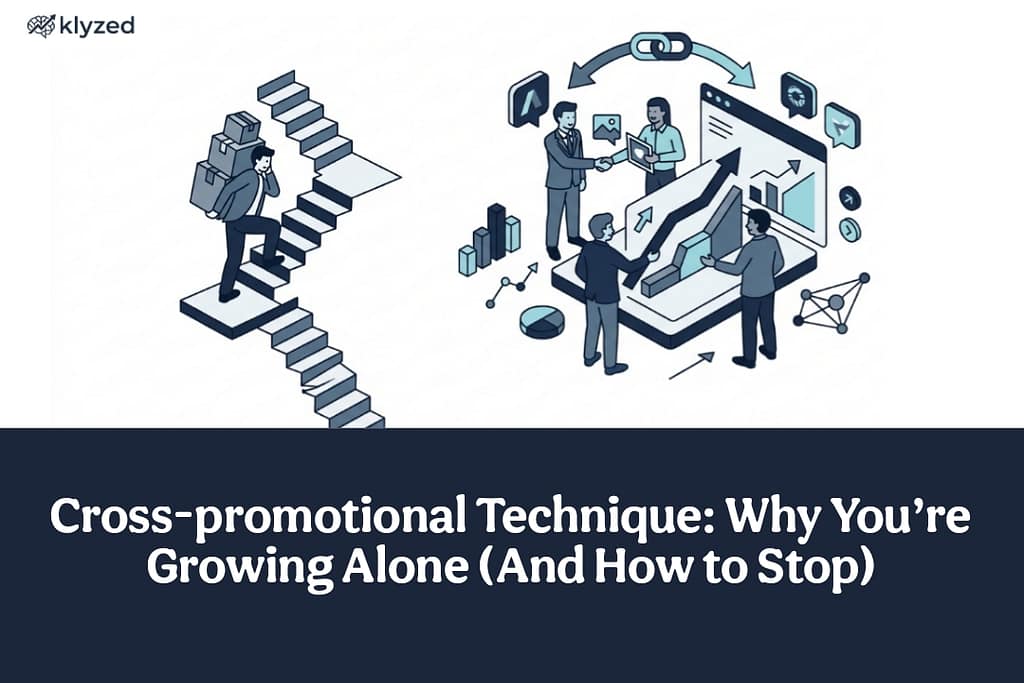

Let’s have a heart-to-heart. Are you exhausted by the “shouting into the void” feeling of modern marketing? You post on Instagram, crickets. You run a Facebook ad, and it feels like you’re just setting a stack of twenties on fire. I’ve been there. We’ve all been there. The reality is that the internet is loud, and your potential customers are tired of being sold to.
This is where a cross-promotional technique comes in to save your sanity.
I remember hearing a line in a video recently that really stuck with me: “Attention is the new currency.” Think about that for a second. In 2024 and beyond, it doesn’t matter how good your product is if nobody’s paying attention to it. But here’s the real insight: you don’t always have to create that attention from zero. Sometimes, you can tap into attention that already exists—and make it work for you.
What is a Cross-Promotional Technique, Really?
Forget the fancy textbook definitions for a second. A cross-promotional technique is basically the “buddy system” for businesses. It’s when two brands realize they’re chasing the same person but aren’t actually fighting each other for the sale.
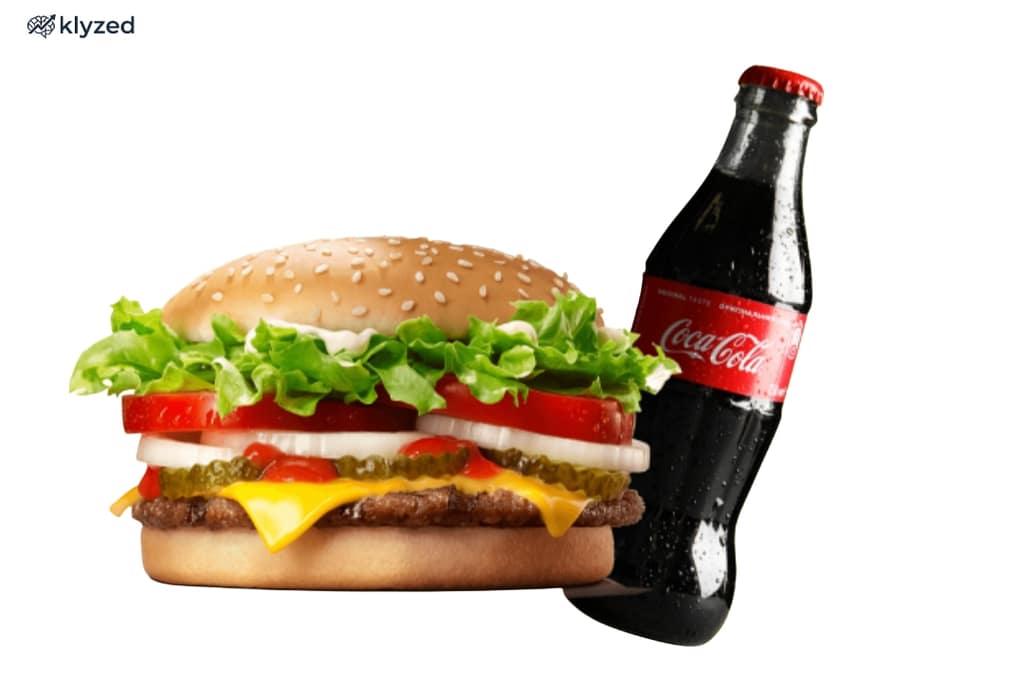
Think about the last time you bought a burger at a big chain like Burger King. Did you notice the Coca-Cola logo everywhere? That’s not just a supplier relationship; it’s a legendary cross-promotion. Burger King knows you’re thirsty, and Coke knows you’re hungry. By teaming up, they make sure you don’t even think about going to a different restaurant or grabbing a Pepsi from the convenience store next door. They’ve built a little ecosystem around your hunger.
💡 Real-world mini example
Maybe you’re a wedding photographer. Instead of running ads for “wedding photography,” you partner with a local florist. You give the florist’s customers a free engagement shoot print; the florist gives your clients a discount on their bridal bouquet. Both sides win — and the customer feels like they’re getting a “hookup.”
The Magic of the “Attention Currency”
“It’s the difference between a blind date and being introduced by a mutual friend. One is awkward and risky; the other has a much higher success rate.”

When you use a cross-promotional technique, you’re essentially doing a currency exchange. When a brand that people already love — say, a local influencer or a well-respected boutique — mentions your name, they are handing you their “trust tokens.” It’s much easier to sell to someone who is already warmed up by a recommendation than to a complete stranger who just saw your cold ad while scrolling through cat videos.
Picking Your “Work Bestie” (The Partner Search)
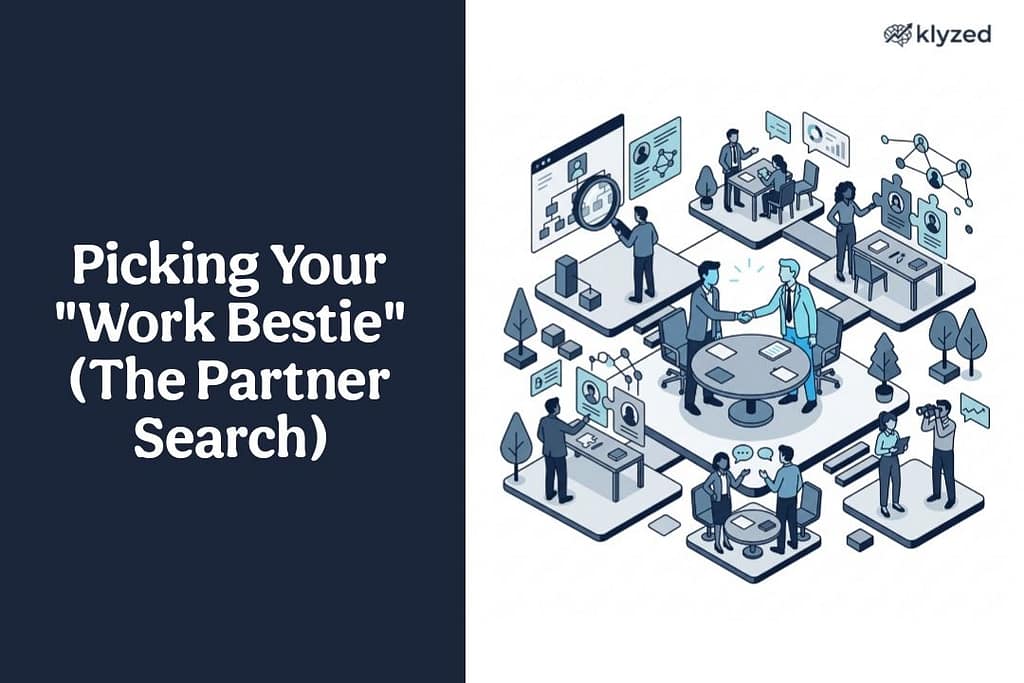
You can’t just swipe right on every brand you see. A bad partnership is like a bad marriage — it’s expensive, stressful, and leaves a bad taste in everyone’s mouth.
First, they shouldn’t be your competitor. If I sell coffee and you sell coffee, we aren’t partners; we’re rivals. But if I sell coffee and you sell artisanal donuts? Now we’re talking.
Secondly, look at the vibe. In marketing terms, we call this Psychographics. Who is their customer? Are they the “I wake up at 5 AM to meditate” type or the “I stay up until 2 AM playing video games” type? If your brand is all about peace and minimalism, don’t partner with a high-energy, chaotic energy drink brand. It’ll feel weird. It’ll feel “salesy.” And customers smell “salesy” from a mile away.
Look at BMW and Louis Vuitton. They realized their customers both valued status, precision, and luxury. So, they made a luggage set that fit perfectly into the trunk of a specific BMW model. It was genius — not about the bags or the car, but about the lifestyle.
Let’s Look at the Heavy Hitters
Sometimes it helps to see how the “big dogs” do it to get our own gears turning.
🎥 GoPro × Red Bull
These two don’t even feel like separate companies anymore. They both sell “the thrill.” Red Bull provides the event; GoPro provides the eyes. They share the same “Adrenaline” currency — and it shows in every piece of content they put out together.
🚗 Uber × Spotify
Subtle, but brilliant. By letting you play your Spotify in an Uber, the car feels like your space. Spotify gets usage in a moment you’d otherwise sit in silence. A seamless integration of two different parts of your day.
My 5-Step “No-Nonsense” Roadmap
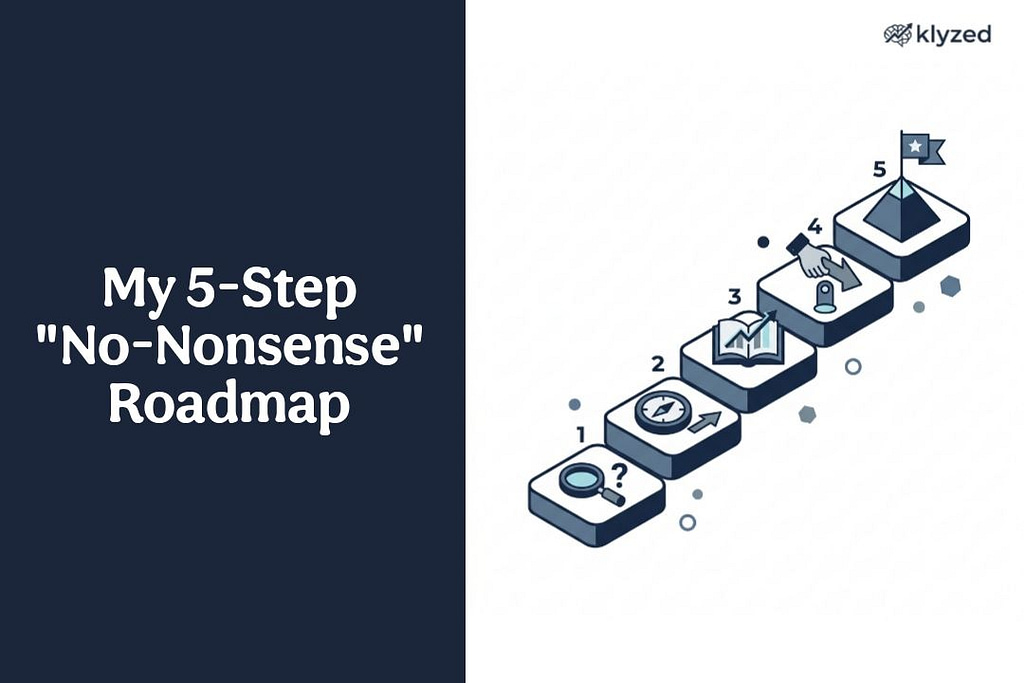
If you’re sitting there thinking, “Okay, I’m in. How do I actually do this?” — here is my personal checklist:
- Find Your Match: Look for brands that complement yours. If you sell software, look for hardware. If you sell shoes, look for socks. Simple, right?
- Kill the “Me, Me, Me” Mindset: When you approach a partner, don’t lead with what you want. Lead with how you can help them look like a hero to their customers.
- Get Weird (Search Outside the Box): Don’t just do the obvious stuff. I once saw a car mechanic partner with a local flower shop for Mother’s Day. “Get your oil changed, and we’ll have a bouquet waiting in the passenger seat.” So unexpected that people couldn’t stop talking about it.
- Lawyer Up (Sort of): I know we all want to work on a handshake, but people forget things. Write it down. Who pays for what? Who owns the email list? What happens if it bombs? A simple contract saves friendships. Check out LegalZoom’s guide on partnership agreements for a starting point.
- Talk the Same Talk: Make sure your branding doesn’t clash. You want the transition from their brand to yours to feel like a smooth road, not a series of potholes.
Don’t Fall Into These Traps
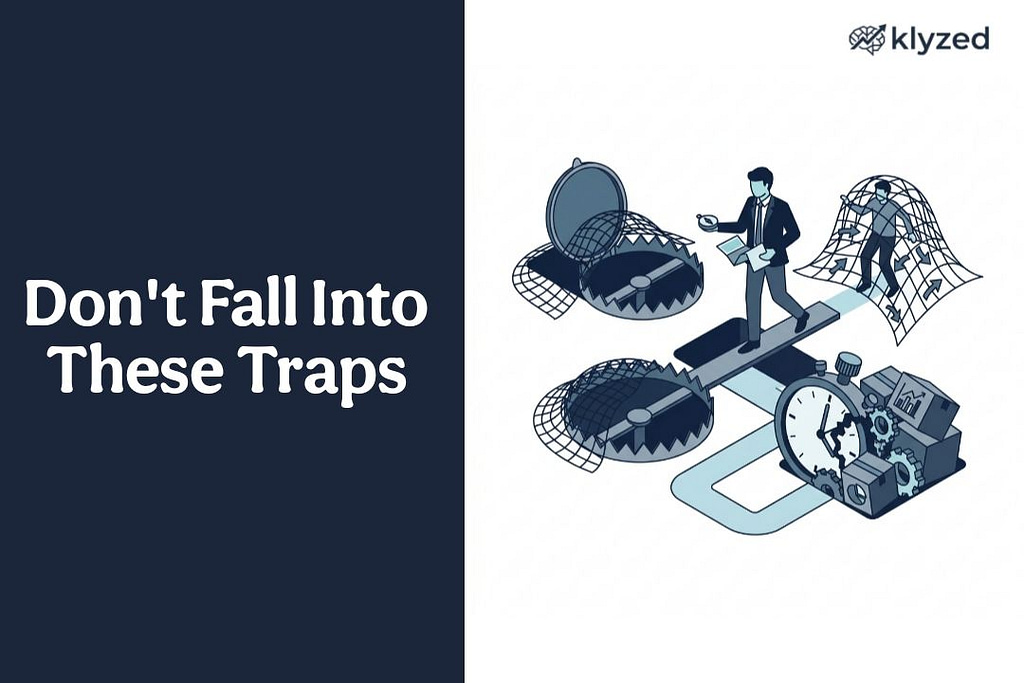
- Going too big, too fast. If you have 100 followers and you’re hitting up Nike for a collab, you’re probably wasting your time. Start with “Level-Matched” partners. You want to grow together, not be a parasite.
- Brand Dilution. If you partner with ten different brands at once, your customers won’t know what you stand for anymore. Keep it special. Keep it focused.
📚 Further reading: Small Business Administration — Marketing Alliances
Just a Few Questions I Hear a Lot…
“Is this going to cost me a lot of money?”
Honestly? Usually way less than traditional ads. Most of the time, the “cost” is just your time and maybe a discount on your product. It’s a sweat-equity game, not a deep-pockets game.
“What if I’m an introvert and hate reaching out to people?”
I get it. But remember — you aren’t asking for a favor; you’re offering an opportunity. If you truly believe your product adds value to their customers, you’re doing them a service by suggesting a partnership.
“How do I know if it’s working?”
Track everything. Use a specific “Partner Code” (like MEALPREP20) or a custom URL. If the numbers aren’t moving after a month or two, sit down with your partner and figure out why. Maybe the offer wasn’t juicy enough?
Final Thoughts
At the end of the day, a cross-promotional technique is just about being a good neighbor in the business world. We’re all out here trying to make it, and it’s a lot easier when we lift each other up. Whether you’re using a tool like Shopify to manage your store or just grinding it out on your own, don’t be afraid to reach out.
Find your “Coca-Cola.” Find the brand that makes yours better. Because in the attention economy, we’re all richer when we work together. Now go out there and start a conversation. You might be one partnership away from the growth you’ve been dreaming of.
Key Takeaways
- Attention is Currency:Stop trying to buy it, start trying to earn or borrow it.
- Value Over Ego:The best partnerships focus on the customer’s experience, not just the brand’s bottom line.
- Legitimacy Matters:Always back your “handshake deals” with a solid contract to ensure both sides stay happy.
- Start Local:You don’t need a global brand to see the benefits of cross-promotion. Your neighbor’s business might be the perfect fit.



Pingback: Sales Mistakes Founders Make: 4 Traps to Avoid - Klyzed
Pingback: How to build self-discipline: A guide to productive discomfort - Klyzed
Pingback: SaaS Launch Playbook: Scale to $61K MRR in 53 Days - Klyzed
Pingback: AI Startup Growth Hack: 7 Practical Ways to Scale Faster - Klyzed
Pingback: AI Business Idea Framework: Generate Ideas in 45 Minutes - Klyzed
Pingback: Solo Developer Marketing 2026 – Grow Your App Alone [Proven System] - Klyzed
Pingback: How to Success a SaaS: 10 Battle-Tested Lessons From Building (and Killing) 15 Products - Klyzed