
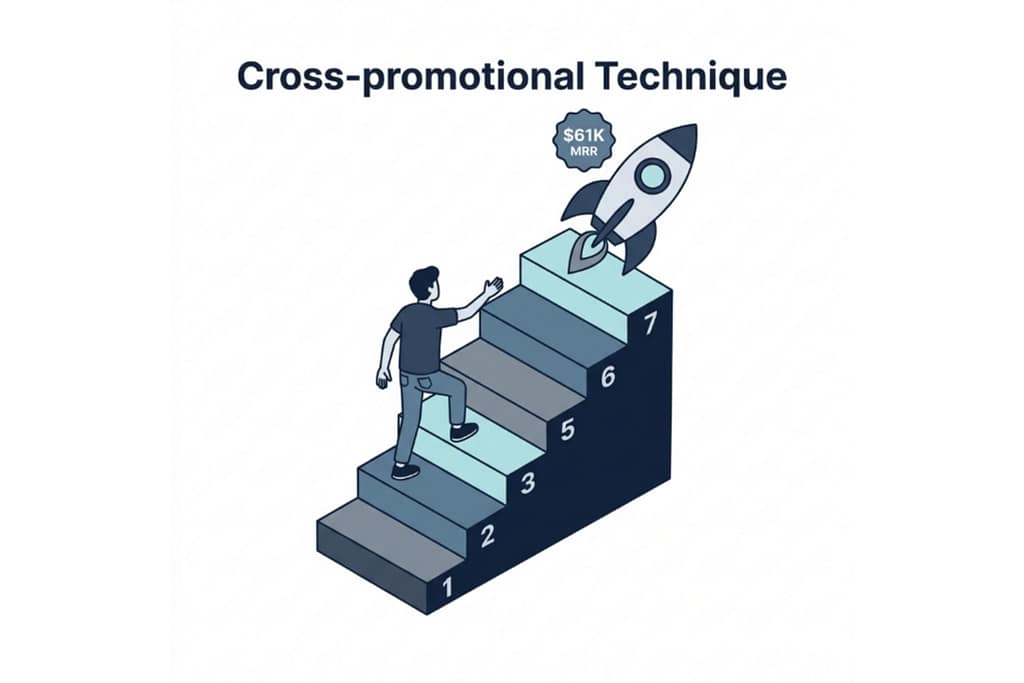

This SaaS launch playbook is how Rob Hoffman scaled Cleo to $61K MRR in 53 days — no investors, all bootstrapped. He runs three startups pulling in $400K a month. Two are SaaS tools.
This playbook powered that growth. Rob shares it raw — no fluff, just the steps he uses now for Cleo’s public launch. Follow these to spot ideas, validate them fast, then launch and sell.
You get exact goals, real examples, and tactics that work. Rob built Cleo from a Chrome extension. Now it’s an AI content tool for LinkedIn and X. Time to build your own.
Step 1: Finding Problems Worth Solving (The Origin Story)
Every SaaS launch playbook starts here: solve issues you face daily. Be your own first user. That guarantees real demand.
The Cleo Origin: Solving a Missing Content Niche
Jake Ward, Rob’s co-founder, needed better LinkedIn content tips. Tools like Taplio worked on X. Nothing comparable existed for LinkedIn.
He built a free Chrome extension over a weekend — it showed top posts from any profile. Rob and his friends loved it. They shared it. Demand grew organically. That sparked Cleo: an AI partner for viral posts, optimized for audience growth and sales.
Proof by Practice: Vibecoding Your Own Pain Points
Rob’s dad, 64, faced new rules as a financial advisor. He had to write detailed compliance notes on investments — it ate his time.
He used no-code tools like Lovable, built “ComplyMyNotes,” added Stripe, and now it creates compliant notes in minutes. Anyone can do this. Share with peers. Feedback rolls in. Turn pains into products.
When Ideas Are Scarce: Cultivating an Interesting Life
No problems? Your life bores you. Pieter Levels says fix that. Pick up guitar. Run a marathon. Try new things. New hobbies bring new pains. Those become apps or SaaS tools.
Rob met Jake through LinkedIn content creation. Nerd out on niches — ideas flow naturally.
Step 2: SaaS Launch Playbook — Hitting the Waitlist Benchmark
Too many founders build solo. They love what they made. Others don’t. Validate early — before writing a single line of production code.
The Golden Number for Validation
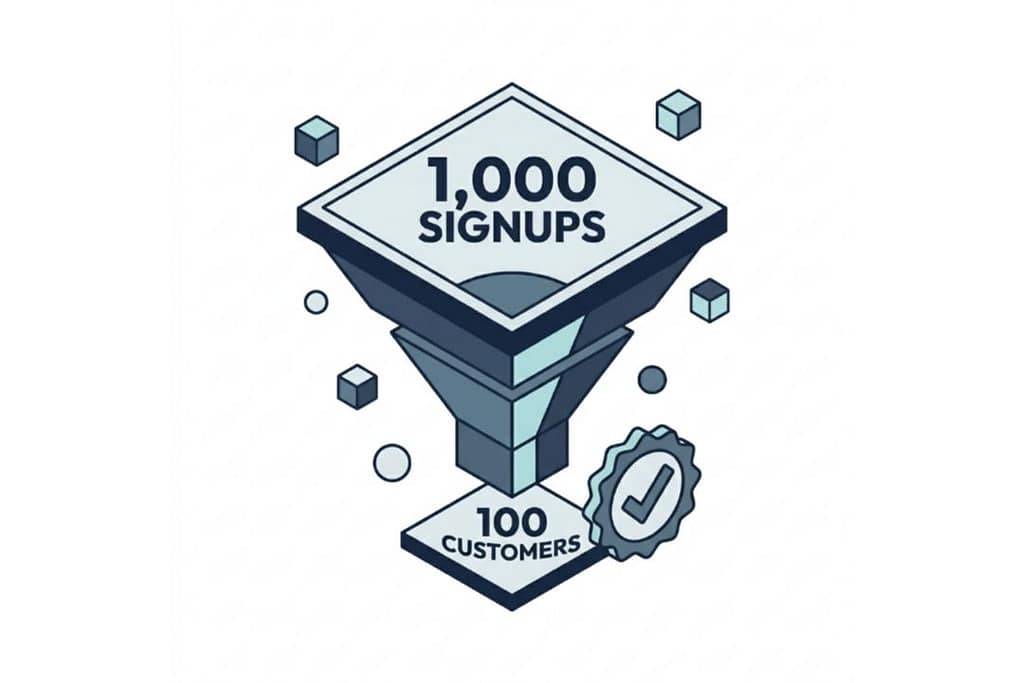
Shoot for over 1,000 waitlist signups. At a 10% conversion rate, that’s 100 users. Price at $50/month → $5K MRR. Price at $100 → $10K MRR. A solid start.
Real-World Validation Success: Mentions Launch
Mentions tracks AI search visibility — like ChatGPT rankings. They collected 3,624 signups, converted 20% at $50, and hit $20K MRR in month one. That’s the benchmark to beat.
Timeline for Pre-Launch Hype
Give it 30 to 60 days — roughly six weeks. Watch signups climb in the first 30 days. No momentum? Rethink the offer before spending more time.
Tooling for Waitlist Management
Loops handles signups and automated emails. Beehiiv runs newsletters. Tools don’t make or break the launch — traffic does.
Step 3: Converting Attention to Emails Through Strategic Content
“I have no audience.” Common excuse. Wrong. Craft killer content first — the audience follows.

Audience Size vs. Content Quality
Algorithms reward quality now — similar to how TikTok surfaces great content over follower counts. Rob’s X account: five months old, 9K followers, one post hit 7 million views. Pure craft, zero hacks.
The Content Calendar and Focal Points
Plan ahead. Use a calendar. Pick three content types and stick to a rotation, just like a solid promotional technique. Build hype pre-launch systematically — don’t wing it.
Three Pillars of High-Converting Content
1. Founder / Story-Driven Content
Put a face front and center. A clear focal point draws eyes. End every post with a waitlist CTA. Example: Rob and Lara’s 42-hour London trip post — personal, specific, shareable.
2. Edgy Selling (Simplifying Complexity)
Break down tough topics into levels. Slip your tool in subtly — no hard sell. Example: explaining AI SEO, mentioning Cleo only once as a natural example.
3. Genuinely Useful Tutorials
Share real workflows — like quarterly meeting agendas or AI writing tips for Cleo. Builds trust. Adds CTA at the end. People share useful things.
Mastering the Conversion Hook (The Three Ingredients)
Hooks stop scrolls. Everything above the fold must earn the click. Mix these three every time:
Alex Hormozi nailed this early: “$100M business. Nothing to sell.” Credibility first, offer second. Stop selfish posts — no one cares about your morning coffee. Make it reader-focused.
Steps 4 & 5: Maximizing Launch Conversions with Scarcity and Webinars
The best SaaS launch playbook converts email subscribers into paying customers using psychology — scarcity, urgency, exclusivity.
Step 4: Creating the Early Bird Discount
Charge from day one. Free tiers attract tire-kickers, not customers — a classic sales mistake founders make. Structure it like this:
- Beta cohort: 500 users maximum
- 50% off for life — limits supply and creates real urgency
- Countdown emails: “239 spots left” drives action
- Add value stacks: free webinars, community access
- Follow-up sequences push the fence-sitters over
Step 5: The High-Conversion Launch Webinar

Webinars scale what 1:1 sales calls can’t. They build buzz and convert at scale. Use this 10/10 structure:
- Exclusive Offer — Free coaching, community access, paid stuff given away only here
- Capped Eligibility — First 10 signups only. Manufactured scarcity that works
- Live Sales Announcements — “Another sale! Nine spots left.” FOMO hits hard
- Live Demo — Show the tool working in real time, no pre-recorded fluff
- Live Testimonial — Pull a real user on camera. Interview them. Lara surprised the audience with one — killer move
Tools: WebinarJam or Zoom breakout groups. Study Russell Brunson’s webinar playbooks. Copy what winners do before you innovate.
Steps 6 & 7: Feedback Loops and Iterative Launch Cycles
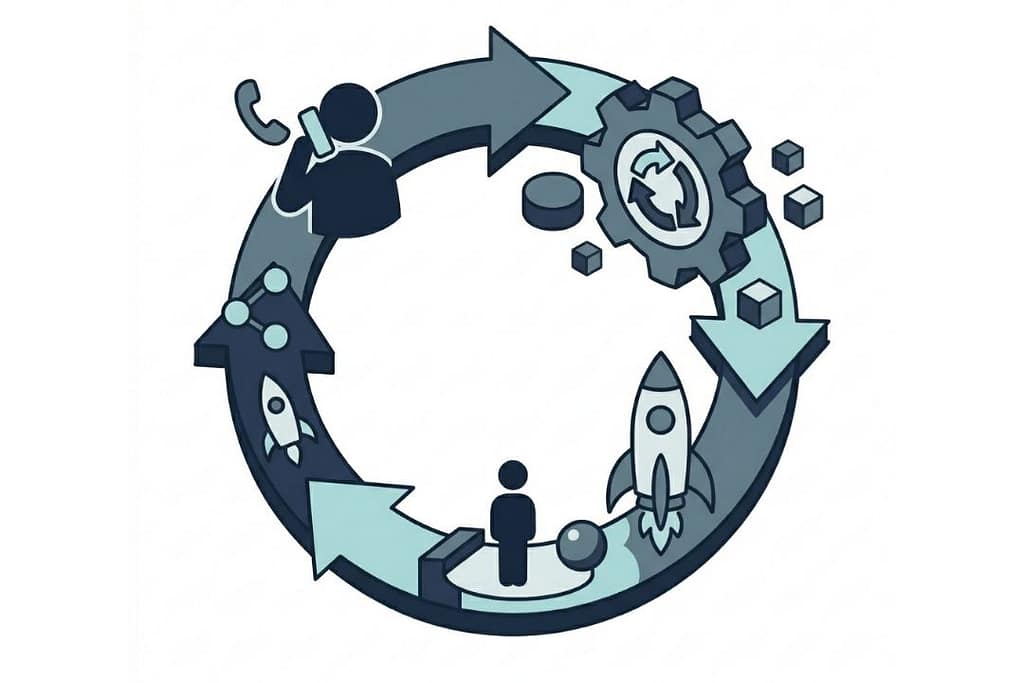
Don’t stop at launch. Listen. Then repeat the entire cycle at a higher level.
Step 6: Talk to 50 Customers (The Retention Engine)
Jason Lemkin says 50. Not 49. Stack 30-minute calls. Show genuine thanks. Retention soars because customers feel heard.
From these calls you’ll: spot bugs before they churn users, rank feature requests by actual demand, collect testimonials you can use immediately, and record everything — then feed transcripts to Claude or ChatGPT to synthesize your ICP and sharpen your copy.
Step 7: Rinse and Repeat the Launch Cycle
Cleo’s timeline: Beta 1 (500 users) → one month of fixes → Beta 2 (smaller discount) → public launch January 22nd. Three launches total. Each grabs a new wave of users. Hype compounds.
Scaling Your SaaS Launch Playbook: Automation, Delegation, and Pitfalls
Growth changes the execution. But the core SaaS launch playbook stays the same.
Evolving from Founder-Led to Systemized Launch
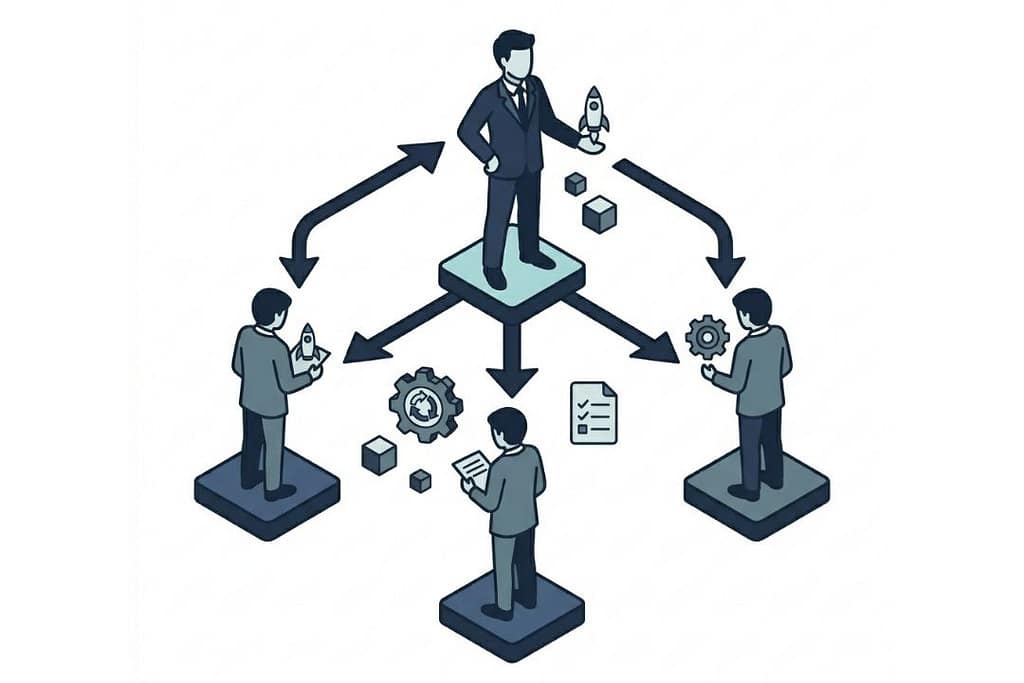
Hire customer success early. Founders can’t personally chat with thousands of users. Look at how Beehiiv’s Winter Release operated — a full team running a scaled webinar, not just one person.
Founder Superpowers and Team Structure
Identify your strengths. Time-block ruthlessly. Rob dedicates two full days weekly to content. Jake crushes content creation. Lara handles community. Delegate to strengths — yours and theirs.
The Biggest Mistake: Knowing When to Quit Fast
Ship fast. Quit fast. Marc Lou says it plainly: if you can’t get 100 signups in 60 days, pivot. No shame. That’s information, not failure. Use it.
SaaS Launch Playbook: Start Living the Extraordinary Life
Rob’s SaaS launch playbook works. Find your pain. Hit 1,000 waitlist signups. Write hooks with proof, curiosity, and benefit. Use beta cohorts and webinars to crush conversions. Talk to 50 customers. The self-discipline to execute it daily is what separates builders from dreamers. Then repeat the cycle.
Key Takeaways
- Solve what genuinely bugs you — be your own first user
- Validate with waitlist math: 1,000 signups → 100 customers → real MRR
- Hooks = Proof + Curiosity + Benefit, every time
- Beta cohorts with scarcity + webinars crush conversion rates
- 50 customer calls shape your entire roadmap and retention
- Quit fast if it’s not working — that’s the real superpower
Call your shot. Plan an epic year. Find co-founders. Live bold. Download the playbook below. Build now. Your SaaS awaits.



Pingback: Solo Developer Marketing 2026 – Grow Your App Alone [Proven System] - Klyzed
Pingback: Brain Performance: How to Sharpen Memory and Focus - Klyzed
Pingback: How to Success a SaaS: 10 Battle-Tested Lessons From Building (and Killing) 15 Products - Klyzed