


Are you addicted to the thrill of new business ideas but struggling to grow your bottom line?
Discover how rewiring your brain’s reward system can transform your entrepreneurial journey from emotional chaos to steady momentum. Master entrepreneurship dopamine management to build sustainable success, and learn how to shift your reward signals from new ideas to revenue today.
The Teaser: The Thrill vs. The Grind
We all know the feeling. The sudden rush of a brand-new idea hitting your brain. Wouldn’t it be cool if…? It is undeniably thrilling. Especially when you are using an AI business idea framework to generate fresh concepts, the excitement is intoxicating.
But here is the hard truth about building a business: constantly chasing that initial thrill might actually be destroying your company.
Today, we are going to dive deep into entrepreneurship dopamine management. If you want to survive the grind, you have to completely rewire what success feels like. In this guide, we will explore exactly why your brain chases the wrong metrics and how you can flip the script to build sustainable, profitable momentum.
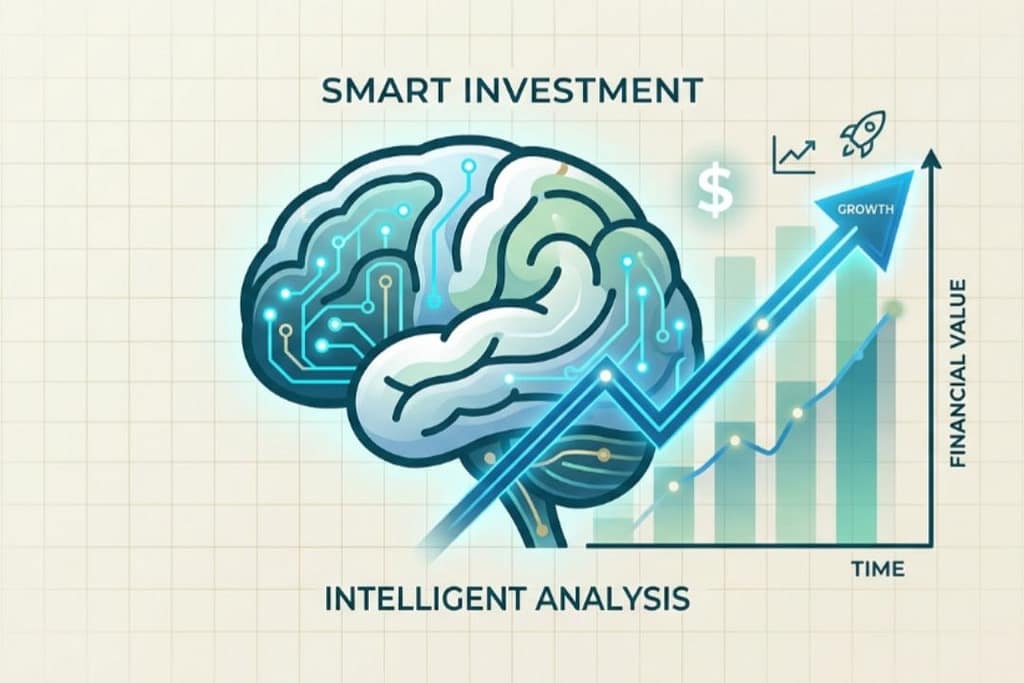

The Problem: Chasing the Wrong Highs
When you first start out, everything is exciting. Early on, ideas and building give you easy dopamine because they are incredibly fun and inherently low risk. You get that rush just from brainstorming.
Then, as you progress, you might start getting those same dopamine hits from the product itself. Seeing a product in action is undeniably cool.
But eventually, a shift happens. Talking to customers is significantly harder, though at least it is real. And revenue? Revenue is deeply uncomfortable because it forces you to face the ultimate reality: whether anyone actually values what you are doing.
Have you ever felt like you’ve been grinding for years and those satisfying hits of excitement just got lost in the mail? That is a very common pain point. We get bogged down in the day-to-day grind.
We might initially get a rush from leads or customer conversations, or from notifications like sales receipt emails and calendar bookings. But sometimes, the volume of notifications and receipts becomes so overwhelming that we just mute our emails to stop them. It leaves us wishing those muted alerts would still give us a little hit of joy, because that would have been way easier.
History & Analysis: The Founder Maturity Curve
Why do we struggle with this so much? It all comes down to how human brain performance and focus naturally operate. Marathon runners, mountain climbers, and puzzle solvers all enjoy their unique dopamine hits. Tenacity and grit are simply signs of people seeking out those hits.
In the business world, this maps cleanly to what is known as the founder maturity curve. Early dopamine almost exclusively comes from creation because it is immediate and highly controllable. You write code, you design a logo, you get an immediate sense of accomplishment.
Key Insight: The much harder shift happens when you have to learn to get rewarded by lagging signals—things like customer pull, retention, and revenue. In this stage, your day-to-day effort and the resulting feedback are completely decoupled.
You might work for a month and not see the financial result until the following quarter.
This is exactly where most people stall. They stall because their brain keeps relentlessly chasing the fastest hit, rather than the most valuable one. Founders who actually last in the game are the ones who manage to fundamentally rewire what “progress” feels like.
The Solution: Rewiring Your Reward System
So, what is the fix? Successful entrepreneurs are the ones that successfully switch where they get their dopamine.
The only way to be truly successful is to train your brain to get its dopamine from top line revenue and profit. And from an ethical and genuine perspective, you earn that revenue by bringing tremendous value to your customers.
The shift that matters most is moving your dopamine away from mere ideas and activity, and pushing it toward outcomes. When you begin to measure progress by systems working—which is exceptionally crucial for a solo developer managing marketing—customers staying, and fewer decisions needed day to day, your momentum finally becomes sustainable instead of purely emotional.
What really clicks for many successful founders is realizing that progress isn’t necessarily what feels good in the moment. It is what actually shows up in the numbers a few weeks later. Once you start treating revenue and retained customers as your true signal, everything else just becomes a tool instead of a distraction.
The Details: Practical Steps for Daily Focus
Let’s get practical. How do you actually implement this shift?
Some argue that dopamine should actually be placed on inputs, simply because we cannot fully control outcomes. There is a lot of truth to that. The critical shift isn’t about ignoring inputs altogether, but rather changing exactly which inputs you choose to reward.
- Reward the right inputs: Inputs like shipping product, doing follow ups, implementing retention fixes, and making system improvements are all still inputs, but they are directly tied to outcomes.
- Create healthy loops: When your inputs consistently produce results, your dopamine loop becomes much healthier and significantly less emotional.
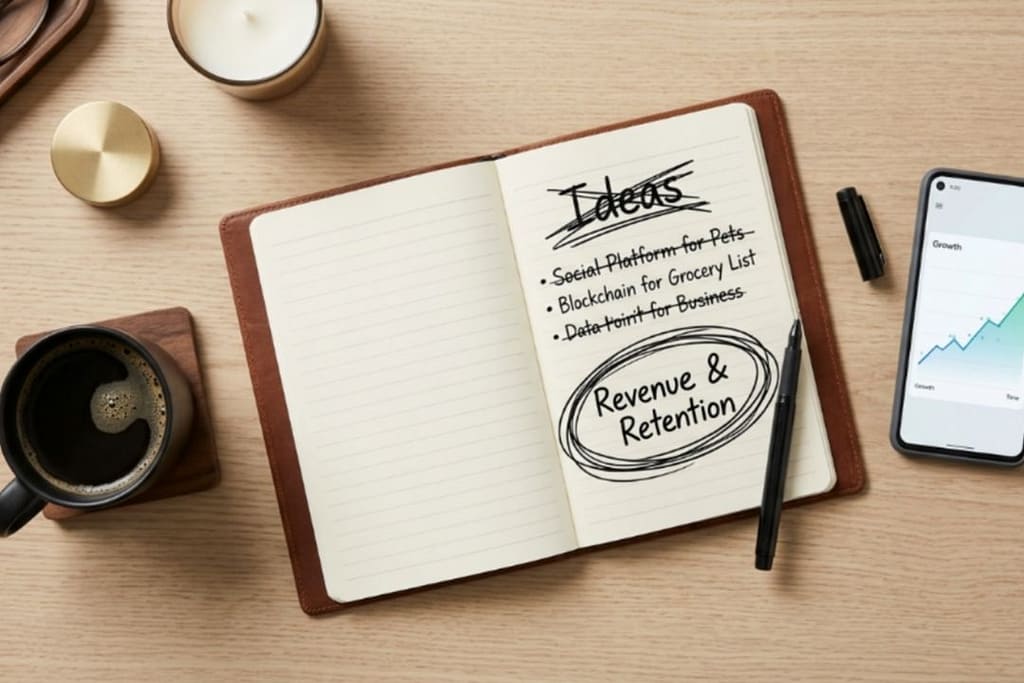
But what if you are dealing with a brain that won’t quiet down? What if you still have 10,000 awesome ideas screaming in your brain all at once?
This is a massive challenge, especially for those navigating entrepreneurship with ADHD. Years of personal coaching teach us that you must learn how to build self-discipline to direct your focus onto just one thing, and then follow up with whatever tools you need to keep it in focus.
You have to rely on tools. Lots of notebooks or dictation on your phone are essential for sorting through what you can do right now, versus a little later, versus maybe one day.
Checking and rechecking your tools and processes to make sure they are efficient really helps. It might sound boring, but it isn’t if you reframe it. Every single time all is well, reward yourself with something that tells you that you are doing a good job.
Find something that gives you a little dopamine. And if you find something isn’t working? Reward yourself for being disciplined enough to actually check it and fix it. Just make sure you actually fix it.
Our brains naturally love rewards and feeling good, so find ways to feel good about everything. Just make sure you don’t spend too much time on things that don’t serve you well, as they are all simply means to an end.
FAQ: Managing the Founder Mindset
How do you break past the founder maturity curve stall?
You must decouple your sense of accomplishment from daily activities. Shift your emotional rewards away from low-risk ideation and toward lagging indicators: retention, system stability, and recurring revenue.
What if I have too many business ideas at once?
Externalize them. Use notebooks or voice dictation apps to capture the ideas immediately. This satisfies the brain’s need to acknowledge the idea, allowing you to categorize it for “later” while returning your primary focus to your current execution.
Conclusion: Building Sustainable Momentum
At the end of the day, entrepreneurship dopamine management is about taking control of your emotional reactions to the daily grind.
You have to recognize that when you truly believe what you are doing is helping people, it can sometimes make the dopamine hit worse. You might find yourself spending lots of time helping without making an actual profit—a common trap when starting a SaaS business with no money.
To be successful, sometimes it also means you have to work entirely out of discipline, and not just out of getting a quick dopamine hit.
By shifting your focus to lagging signals and rewarding the disciplined inputs that drive revenue and retention, you set yourself up for the long haul. Remember, progress isn’t about feeling a rush today. It’s about building systems that generate real numbers tomorrow.
🎯 The Bottom Line
- Stop Chasing the Initial High: The dopamine rush from brainstorming and starting new projects is low-risk and easy, but it doesn’t build a sustainable business.
- Rewire Your Reward System: Actively train your brain to find joy in lagging signals like customer retention, top-line revenue, and net profit.
- Embrace Productive Discomfort: Sustainable momentum requires the discipline to focus on systems, operations, and retention, relying on tools to capture distracting ideas so you can stay focused.
Have you experienced this shift in your own journey? Are you still chasing the high of new ideas, or have you managed to rewire your brain to find joy in retention and revenue? I would love to hear your thoughts. Please drop a comment below and share the techniques you use to manage your focus and keep building sustainably!




Pingback: Time-Saving Tools 2026 - Reclaim 100 Hours [Expert Guide] - Klyzed
Pingback: Productive Procrastination Is Killing Your SaaS - Klyzed
Pingback: How to Build a Successful SaaS: 10 Battle-Tested Lessons From Building & Killing 15 Products - Klyzed
Pingback: Decision Making Frameworks for Startup Founders: 2026 Guide - Klyzed