


Short Answer
A B2B SaaS demand generation strategy works by splitting effort in two directions: SEO to capture the small slice of buyers already searching for a solution, and Reddit or niche-community engagement to build trust with the much larger group who are only problem-aware. Because roughly 98% of traditional MQLs never turn into closed deals, the win isn’t more form-fills — it’s showing up in the exact language buyers already use in communities before you ever ask for their email. Run as a consistent weekly ritual, this “5/95” blend produces intent-rich pipeline at a lower cost than cold outreach or generic paid ads.
Why Most B2B SaaS Demand Generation Efforts Quietly Fail
Talk to any founder or growth marketer running a B2B SaaS demand generation strategy right now and you’ll hear the same complaint: cold outreach, generic LinkedIn ads, and gated PDFs keep filling the top of the funnel with contacts who never buy. Some B2B SaaS marketers report bidding as much as $47 per click on terms like “marketing automation software” on traditional paid channels, while conversion rates keep sliding and customer acquisition cost keeps climbing. That’s why so many teams are quietly reducing B2B SaaS customer acquisition costs by rethinking where the top of the funnel even starts.
The core problem is a mismatch: forms, cold outbound, and list buying are built to capture demand that already exists. They do almost nothing to create demand where it doesn’t. Practitioners in growth marketing communities put a hard number on this gap — about 98% of traditional MQLs never convert into a closed deal. That statistic alone is why “demand generation vs lead generation” has become the most-asked question in B2B SaaS marketing circles: everyone agrees you need both, but almost nobody explains how to actually build the demand side.
“For the 5% who are already actively searching, SEO wins. For the other 95% who aren’t ready to buy yet, you win them through communities, launches, and consistent presence.”
— paraphrased consensus from B2B SaaS growth marketers in r/SaaS and r/b2bmarketing
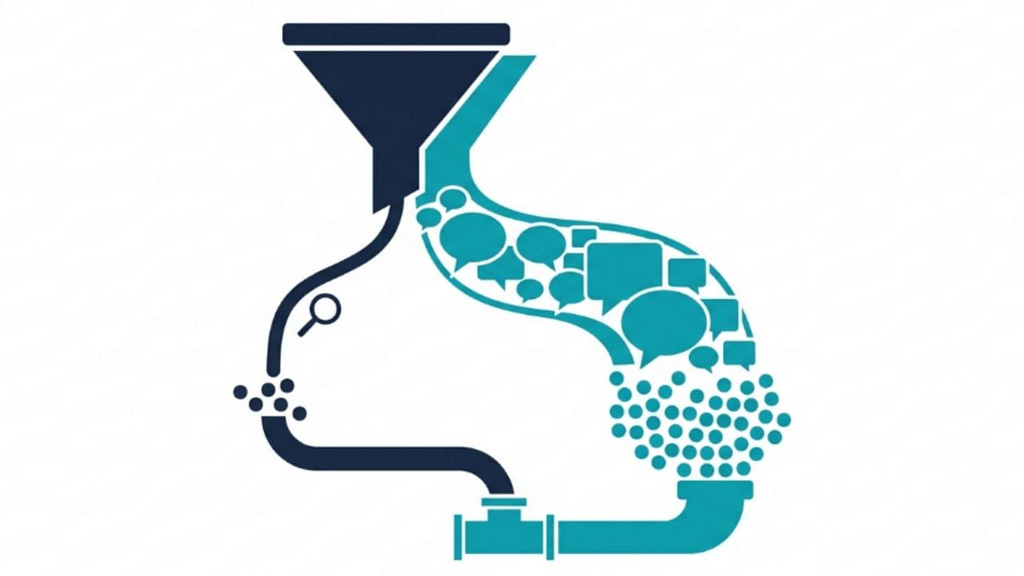
That 5/95 split is the backbone of a working B2B SaaS growth marketing strategy in 2026. Below is what the data actually shows about where the leverage is.
The Numbers Behind the Shift
These figures are pulled directly from operator and agency reporting circulating in B2B SaaS growth communities. They’re the reason so many teams are moving budget away from pure lead-gen and toward demand creation.
6x
ROI increase reported in some B2B cases running Reddit Ads instead of generic display or search campaigns.
73M+
Daily active users on Reddit globally, spending an average of 34 minutes per day on the platform.
The Five Pain Points Killing Your Demand-Gen Motion
Across r/SaaS, r/marketing, r/b2bmarketing, and r/indiehackers, the same five friction points show up over and over. If your team recognizes itself in more than two of these, the strategy — not the execution — is the problem.
| Pain Point | What Founders Are Saying | Data Signal |
|---|---|---|
| Spray-and-pray lead gen | Cold outreach and generic ads bring unqualified leads that never close | ~98% of traditional MQLs never become deals |
| Demand gen vs. lead gen confusion | Teams don’t know whether to prioritize SEO, community, or paid | Community consensus points to a 5% SEO / 95% community split |
| Buyers hiding in “dark social” | Prospects ignore ads but write long, honest posts in subreddits | Attribution is hard to trace back through GA or CRM |
| Fear of rejection or downvotes | One promotional post can permanently damage trust in a niche community | Communities “quietly reject” anything that smells like marketing |
| Time and focus constraints | Lean teams can’t run community, SEO, and paid all at once | Demand for a repeatable 30–60 minute daily/weekly ritual |
The third pain point deserves extra attention. Founders consistently describe a moment of relief when they start mining Reddit threads for real SaaS pain points instead of guessing what buyers care about — the raw language in these threads becomes the highest-signal source for content, ad angles, and even product decisions.

A Step-by-Step B2B SaaS Demand Generation Strategy
This is the exact sequence experienced operators describe running, adapted into a system you can execute weekly without hiring a full demand-gen team.
Step 1: Map subreddits and communities by problem, not job title
Instead of targeting by persona, choose communities where your buyer’s problem shows up — think r/SaaS, r/Entrepreneur, r/DigitalMarketing, and r/sysadmin, depending on who actually feels the pain your product solves. This single reframe is what separates a demand-creation motion from a disguised sales pitch.
Step 2: Reply with insight, not links
The strongest-performing pattern across every thread reviewed is “problem-first, product-last.” Experienced replies share real implementation detail and no CTA. Founders report generating multiple strong leads purely through Reddit DMs and profile clicks after weeks of consistent, non-promotional participation — no tracked link required.
Step 3: Run a 30-minute daily ritual
- Scan saved searches across your mapped subreddits
- Respond thoughtfully to 3–5 relevant threads
- Bookmark high-signal posts for later content and product-feedback use
To keep this from eating your whole day, tools like Beno One or Assista AI can help surface the most relevant threads and draft a starting reply — as long as a human reviews it before posting, since anything that reads as automated gets rejected fast by these communities.
Step 4: Score threads before you engage
Not every thread deserves your time. Prioritize by pain depth, engagement level, and how closely the poster matches your ICP — this scoring discipline is what lets a lean team stay consistent without burning out on low-value threads.
Step 5: Turn every strong thread into a content cluster
One good thread can seed a LinkedIn post, a YouTube Short, a blog article, an ad angle, and a landing-page headline — all built from language your actual buyers used, not language your team guessed at.
Step 6: Layer in SEO for the 5% already searching
Community work builds the 95%. Long-tail, problem-and-solution SEO content captures the 5% who are already typing their problem into Google. If SEO isn’t part of your stack yet, this AI SEO playbook for B2B SaaS founders covers how to build that layer without slowing down the community motion.
Step 7: Capture and nurture once demand exists
Once a prospect has engaged with your content or community presence, that’s the moment to bring in HubSpot or your CRM of choice for forms, retargeting, and email nurturing — sequenced around the exact problems surfaced in the communities you’re already active in. This is also the stage where teams that are actively scaling SaaS with paid ads layer in retargeting, using sentiment pulled from community threads to sharpen ad messaging.
Step 8: Track what analytics can’t see on its own
Dark social doesn’t show up cleanly in a dashboard. Pair solid UTM discipline in Google Analytics (GA4) with a simple self-reported field — “Where did you first hear about us?” — on your signup or demo form. That single question closes most of the attribution gap community-led demand gen creates.
E-E-A-T Summary: Best Practices at a Glance
Here’s the full system condensed into a single reference table, built from real operator behavior rather than generic theory.
| Practice | Why It Works |
|---|---|
| Problem-first replies, no links or CTAs | Avoids the “quietly rejected” trust penalty communities impose on promotional content |
| Map by ICP pain, not job title | Puts you in front of the right problem, not just the right title |
| 30-minute daily ritual | Sustainable for lean teams; consistency is what drives DM and profile-click leads |
| Repurpose top threads into a content cluster | Multiplies one insight into five channel-native assets |
| Pair SEO (5%) with community (95%) | Covers both active searchers and the much larger problem-aware market |
| Host AMAs with honest implementation stories | Builds authority in subreddits like r/startups, r/engineering, and r/ArtificialIntelligence |
| UTMs + GA4 + self-reported attribution | Recovers visibility into otherwise-untrackable dark-social pipeline |
FAQ
What’s the real difference between demand generation and lead generation for B2B SaaS?
Lead generation captures contact details from people already looking to buy, through forms, ads, and outbound. Demand generation builds awareness and trust with people who aren’t actively searching yet, through content, community, and social presence. A working B2B SaaS demand generation strategy treats these as sequential: build the demand first, then capture it.
Is Reddit actually a viable demand-gen channel for B2B SaaS, or just noise?
The data suggests it’s underused rather than noisy. Reddit has more than 73 million daily active users spending an average of 34 minutes a day on the platform, and roughly three in four B2B decision-makers rate Reddit conversations among the most influential input when evaluating business products. The catch is that it punishes anything that reads as promotional, so it rewards patience over volume.
How do you measure ROI from a community-led demand generation strategy?
Combine UTM tracking in GA4 with a self-reported “Where did you first hear about us?” field on your signup or demo form, and score threads before you engage based on pain depth, engagement, and ICP match. This won’t give you perfect attribution — dark social rarely does — but it closes most of the visibility gap.
How much time does a Reddit-driven demand-gen ritual actually take each week?
Operators running this successfully describe roughly 30 minutes a day: scanning saved searches, responding to 3–5 relevant threads, and bookmarking high-signal posts for later content. That’s closer to 3.5 hours a week — sustainable for a solo founder or a lean growth team without dedicated headcount.