
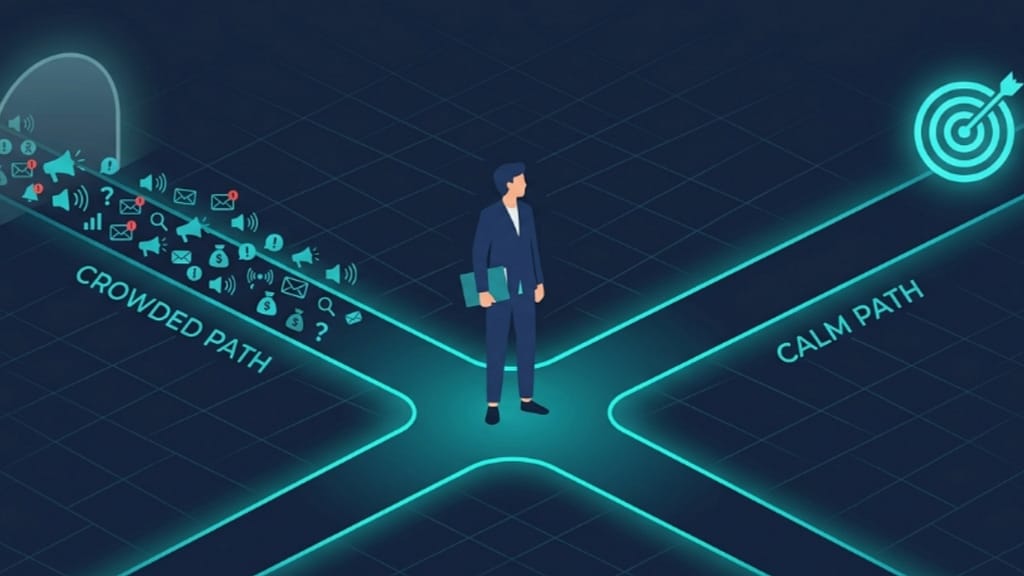

Short Answer: A working B2B SaaS growth marketing strategy in 2026 isn’t a bigger channel mix — it’s a tighter one. Founders who escape “zero traction” first nail a razor-sharp ICP, then run a 90-day test lab across two or three channels (hand-built outbound lists, LinkedIn thought threads, and community participation), reviewing KPIs weekly and killing anything that doesn’t produce sales conversations. The teams reporting real numbers — 12% reply rates, 3% trial conversions, 15 demos a month — got there through specificity, not scale.
The “By-the-Book” Playbook Isn’t Working — And You’re Not Imagining It
If you built the landing page, wired up analytics, ran some paid traffic, sent the cold emails, and still got basically zero traction, you’re not alone — and you’re not doing it wrong in the way you think. Across r/SaaSMarketing, r/SaaS, r/B2BSaaS, and Indie Hackers, the same story repeats: founders followed the generic checklist and still felt like they were shouting into the void.
The language founders use to describe this is remarkably consistent — “stagnant,” “zero traction,” “noise,” “burning cash,” “spray and pray.” That’s not a coincidence. It points to three compounding problems: channel fatigue (LinkedIn and cold email have become what the community calls “mosquito marketing”), ICP ambiguity (an inability to answer exactly who has this pain, right now, with budget), and content that nobody reads (weeks spent on blog posts and whitepapers that generate almost no pipeline).
Community threads explicitly titled “What’s working for SaaS growth in 2025?” show founders actively rejecting evergreen frameworks — they want lived experience, not another textbook funnel.
Where the Real Traction Actually Comes From
Two data points, pulled directly from founder case studies circulating in these communities, put real numbers behind the noise:
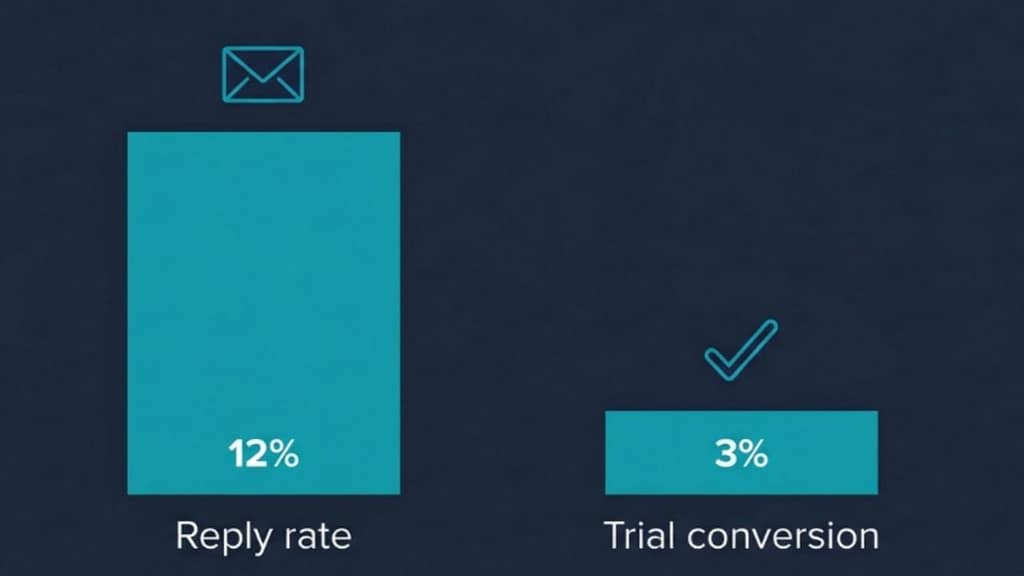
One founder built a hand-curated list of roughly 500 accounts within a single, tightly defined ICP, then sent short plain-text emails asking a simple yes/no question about the prospect’s pain point. That approach produced around a 12% reply rate and a 3% trial conversion rate — numbers generic blasted outreach almost never touches. A separate case saw a team go from near-zero traction to roughly 15 demos per month within about six weeks, not through more ad spend, but by engaging directly inside community spaces, answering real questions, and addressing scheduling and budget objections before ever pitching the product.
Step 0: Diagnose Your ICP and Message Before You Touch Any Channel
Every stalled growth experiment in these threads traces back to the same unanswered question: who exactly has this pain, right now, and why us? Founders who can’t answer that in one sentence tend to run experiments that look busy but go nowhere. Before you touch LinkedIn, outbound, or content, get concrete with a process like this:
- Define one vertical and one job role — not “all SMBs.”
- Hand-build a list of around 500 accounts that match that ICP exactly.
- Write pain-first messaging: a short, plain-text email asking a direct yes/no question about the specific problem you solve.
- Track reply rate and trial conversion weekly against the 12% / 3% community benchmark, not vanity metrics like open rate.
This is the same ICP-first discipline covered in our breakdown of reducing B2B SaaS customer acquisition costs — narrower targeting doesn’t just improve reply rates, it lowers CAC across every channel that follows.

The 90-Day Test Lab: How Real B2B SaaS Teams Run Growth Experiments
Instead of scaling five channels at once, the founders getting traction treat the first three to six months as a test lab: one vertical, one ICP, a small number of experiments, and a weekly ritual of killing what doesn’t convert while doubling down on what generates sales conversations. Here’s how that maps to a 90-day plan across the three channels the community keeps returning to.
| Channel | Weekly Action | Benchmark to Watch |
|---|---|---|
| Outbound (500-account ICP list) | Send pain-first, plain-text yes/no emails | ~12% reply rate, ~3% trial conversion |
| LinkedIn thought threads | Post 2–3 threads spotlighting customer outcomes and metric changes | Comments converted into demo DMs |
| Community participation | Answer real questions in niche Slack, Discord, and subreddit threads | ~15 demos/month by week six |
Content marketing paired with SEO is cited as the most effective initial mix for early-stage, bootstrapped B2B SaaS products — before scaling any paid acquisition. But community advice is consistent: expect meaningful ROI from SEO, content, and community involvement over months, not the days-long feedback loops you get from outbound or ads. If your content plan needs that organic runway mapped out, our AI SEO playbook for B2B SaaS walks through the same time-horizon expectations in more depth.
Detailed Breakdown: Where Bootstrapped Teams Are Losing Time and Budget
| Pain Point | Why It Stalls Growth |
|---|---|
| “Mosquito marketing” fatigue | LinkedIn, cold email, and generic content get instinctively brushed off by prospects overwhelmed by automation-heavy sequences |
| ICP and positioning ambiguity | Founders can’t specify a tight ICP or concrete problem, so every experiment lacks a clear target |
| Low reply rates, poor lead quality | Outbound generates “demo tourists” who never buy, creating doubt about whether activity is actually working |
| Budget vs. long-term channels | Bootstrapped teams feel pulled between quick paid wins and slower, more sustainable channels like SEO and community |
| “Publish and pray” content | Weeks spent on blog posts or whitepapers drive almost no traffic or pipeline |
None of these are solved by more effort in the same direction. They’re solved by narrowing focus — which is exactly the shift covered in our 2026 SaaS customer acquisition strategy guide.
Community-Driven Growth: Turning Reddit, Slack, and Indie Hackers Into Quiet Power Channels
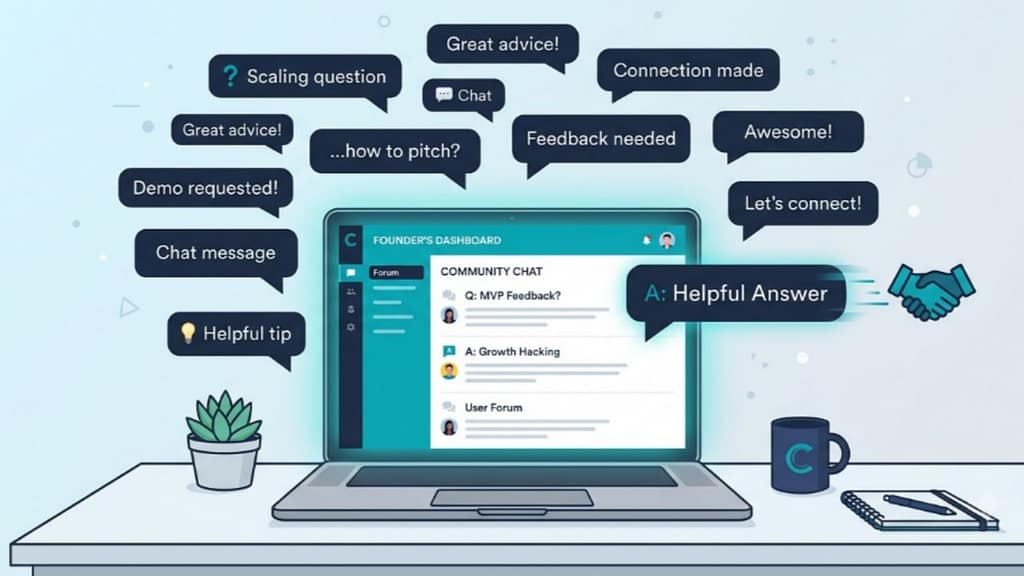
r/SaaSMarketing is a medium-sized but genuinely active community, while broader subreddits like r/SaaS and r/startups reach into the hundreds of thousands of members — real top-of-funnel exposure if you show up the right way. Founders who converted this into steady demos didn’t automate it: they spent real time answering questions thoroughly in niche Slack groups, Discords, and subreddits, only lightly mentioning their product after being genuinely useful. If you want a more systematic way to mine those same threads for pain points before you post, our guide to finding SaaS pain points on Reddit covers the research side of this exact channel.
Two other tactics from the same conversations are worth running in parallel: partnerships and co-marketing with adjacent tools or consulting firms that already own trust with your buyers (using referral fees or revenue share instead of ad spend), and sponsoring small, niche newsletters whose audience maps tightly to your ICP — reported to produce higher-quality leads than broad ads because of the implicit trust readers place in the newsletter creator. Founder-centric launch platforms like Product Hunt and Indie Hackers also came up repeatedly as places to get early feedback, first paying users, and backlinks — especially paired with honest build-in-public updates.
E-E-A-T Summary: What Separates Signal From Noise in 2026
| Do This | Instead of This |
|---|---|
| Hand-build a 500-account ICP list, ask one pain-first question | Blasting generic cold email sequences at broad lists |
| Post 2–3 outcome-focused LinkedIn threads weekly, invite DMs | Mass connection requests and automated pitch DMs |
| Answer real questions in niche communities before mentioning your product | Dropping links in threads without context |
| Review reply rate, demos booked, and trials started weekly | Waiting months to evaluate whether a channel is working |
| Partner with adjacent tools that already have buyer trust | Scaling paid ads before message-market fit is proven |
FAQ
What’s the fastest way to fix a stalled B2B SaaS growth marketing strategy?
Stop adding channels and narrow your ICP first. Founders who couldn’t answer “who has this pain, with budget and urgency, right now?” saw every experiment stall — regardless of how many channels they ran.
What reply rate should I expect from B2B SaaS outbound?
Community-reported results from a tightly targeted, 500-account ICP list with plain-text, pain-first emails landed around a 12% reply rate and 3% trial conversion — a useful benchmark for evaluating your own outbound before scaling it.
How long before content marketing and SEO show ROI for a B2B SaaS startup?
Expect months, not weeks. Community guidance treats SEO, content, and community involvement as slower-but-sustainable channels, in contrast to the faster feedback loops from outbound and paid ads.
Can community participation on Reddit actually generate B2B SaaS demos?
Yes — one team reported moving from near-zero traction to roughly 15 demos per month within about six weeks by genuinely engaging in niche community spaces before pitching, rather than relying on automated outreach.




Pingback: B2B SaaS Demand Generation Strategy: Reddit's 5/95 Playbook - Klyzed